Ever heard the term “backlink profile” and wondered what it actually means?
Don’t worry, you’re not alone. In this guide, we’ll break it down in simple terms and show you how to understand and analyze your backlink profile step by step.
What Is a Backlink Profile?
A backlink profile refers to all the links from other websites that lead back to your site. These backlinks come from different sources across the web and play an important role in how search engines view your website.
Your backlink profile includes details such as the type of links you have, the anchor text used, the quality of the linking domains, and how relevant those sites are to your niche.
To make the most of your SEO and link-building efforts, it’s important to regularly review your backlink profile. A clean, well-structured profile helps build trust with search engines and can improve your chances of ranking higher in search results.
What Does a Good Backlink Profile Look Like?
A healthy backlink profile is made up of natural, high-quality links from trustworthy websites that are relevant to your niche.
These links should come organically, not from spammy or low-quality sources. The anchor text used should also look natural and not overly optimized or stuffed with keywords.
Most of your backlinks should be from websites that are closely related to your industry or topic. Having too many irrelevant or low-authority links can weaken your profile.
A strong backlink profile also includes a mix of different types of backlinks rather than relying on just one source.
Overall, a well-balanced backlink profile signals to Google that your website is reliable, credible, and worthy of higher rankings.
Don’t stress if your website has picked up some spammy or low-quality backlinks over time—this happens to almost every site and is usually unavoidable.
The good news is that you can fix it. By identifying and disavowing harmful links, you can reduce the risk of penalties and keep your site in Google’s good books.
What Does a Bad Backlink Profile Look Like?
A weak or unhealthy backlink profile usually shows these signs:
- Very few (or no) links from high-authority websites
- Most backlinks coming from irrelevant or unrelated sites
- Little to no variety in backlink types
- Overuse of exact-match or partially matched keyword anchor text
- Presence of toxic or spammy backlinks
Focus on High-Quality Backlinks and Natural Anchor Text
When it comes to backlinks, quality always matters more than quantity. This point can’t be stressed enough.
Google strongly discourages low-quality or spammy links, and having too many of them in your backlink profile can harm your website. In some cases, it may even result in penalties that negatively affect your rankings.
By earning strong, relevant backlinks and using varied, natural anchor text, you help build a safer and more effective backlink profile.
Read Also: find backlinks in google search
Instead of relying on just one type of anchor text, it’s best to use a mix of different variations. This makes your backlink profile look more natural and trustworthy. Common anchor text types include:
Naked URLs, where the link is simply the website address itself
Branded anchor text, which uses your brand name as the clickable text
Keyword-based anchors, which include words related to your niche or industry
Link Relevance
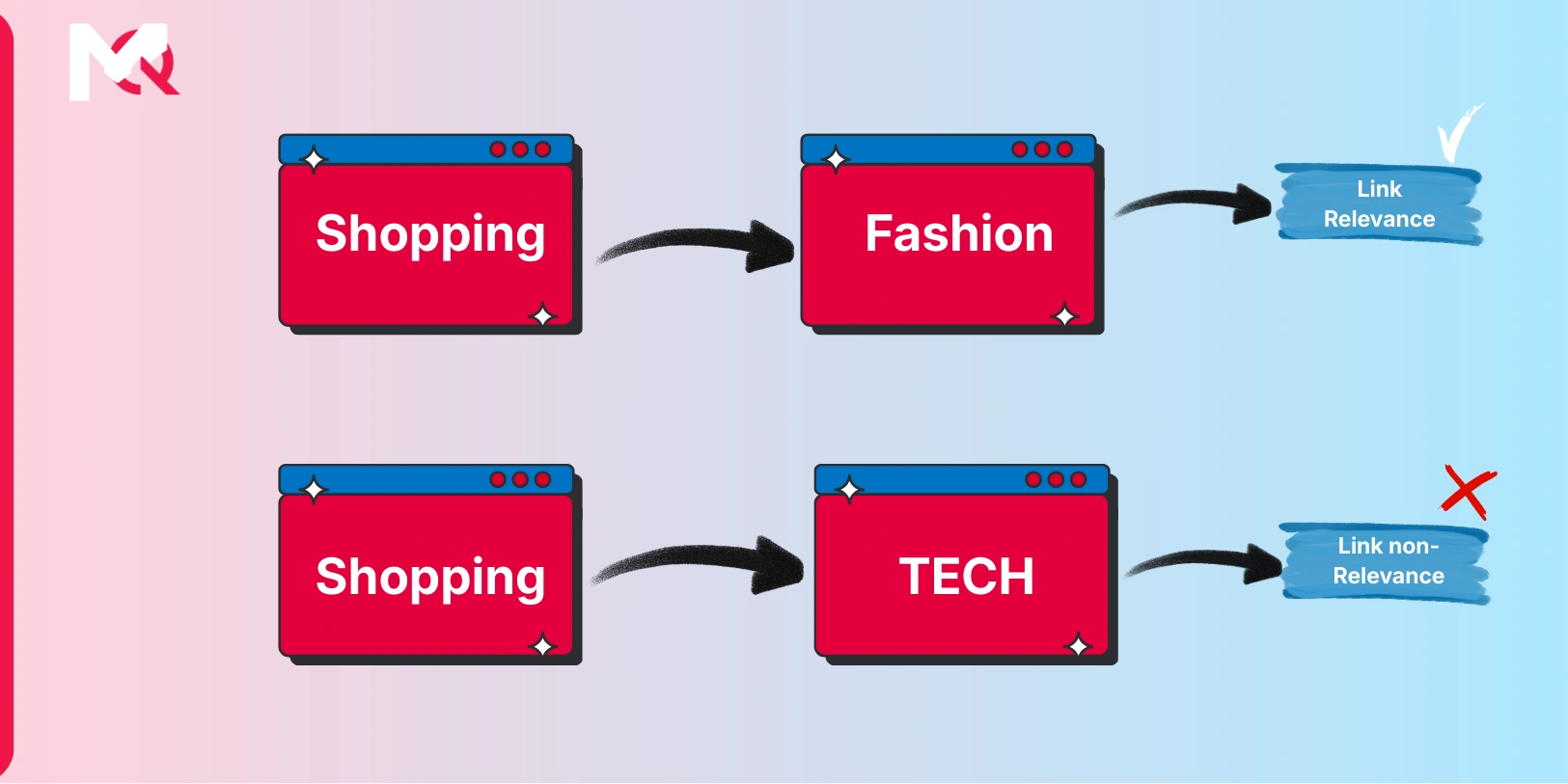
Sometimes, many of your backlinks may fall into the same category. For example, if most of your links come from eCommerce websites, they would be considered “shopping” links.
Relevance becomes important when search engines start associating your website with a specific industry. Your backlink profile helps Google understand what your website is about and which category it belongs to.
For instance, if your business provides financial advice, backlinks from shopping or unrelated websites won’t add much value. They’re unlikely to strengthen your backlink profile or significantly improve your rankings.
To rank higher in search results, your website needs more backlinks from sources related to financial advice and financial services. Relevant links carry far more weight than random ones.
Where to Find Your Backlink Profile?
Getting a complete list of every backlink pointing to your website is difficult. Even the best SEO tools have limits and may not capture every single link.
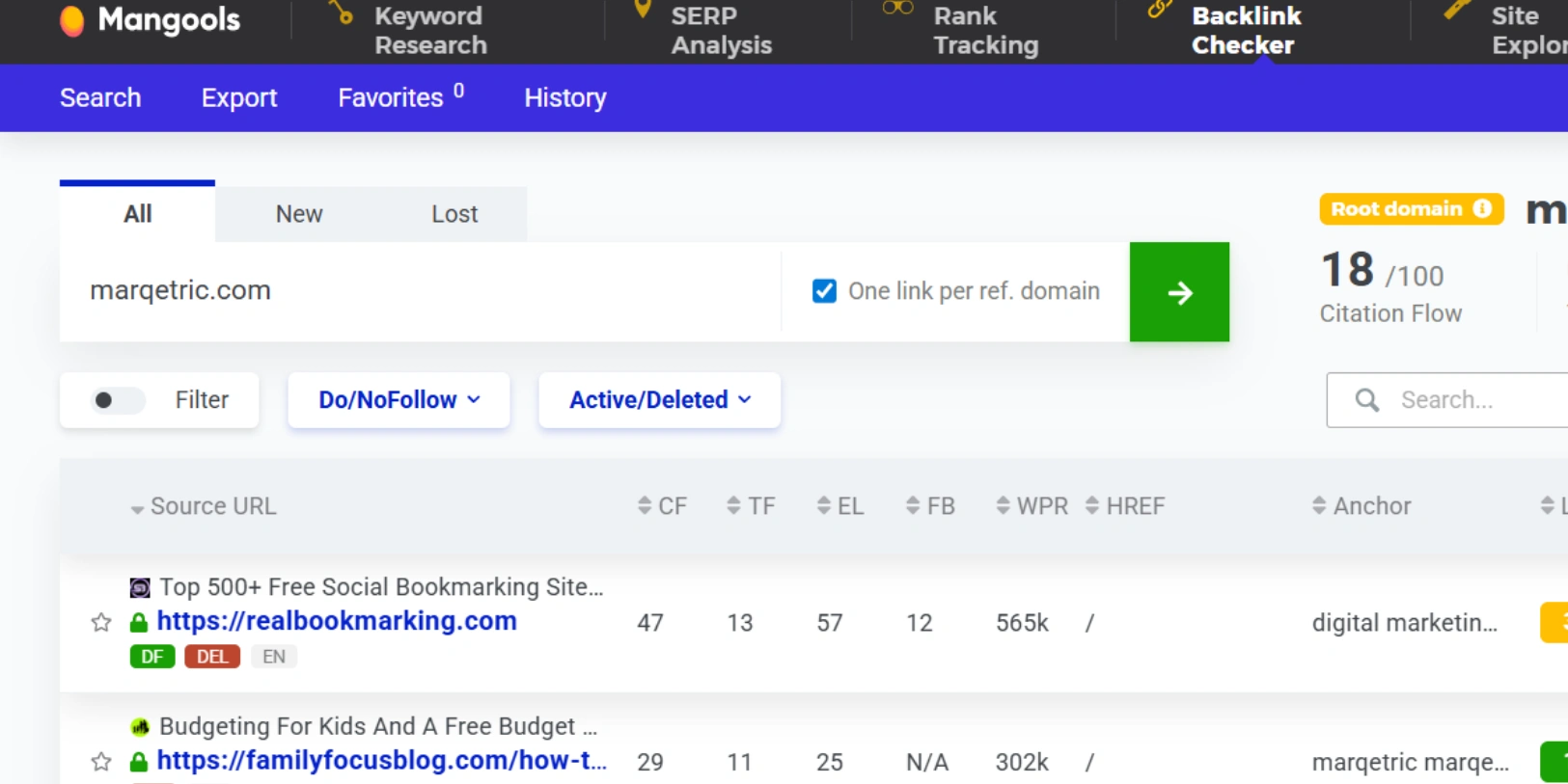
Some of the most popular tools for checking your backlink profile include:
Google crawls billions of web pages every day, with hundreds of thousands of new websites appearing regularly. Because of this massive scale, no tool can track every backlink.